Prenatal Massage Benefits: Safe Comfort for Expecting Mothers
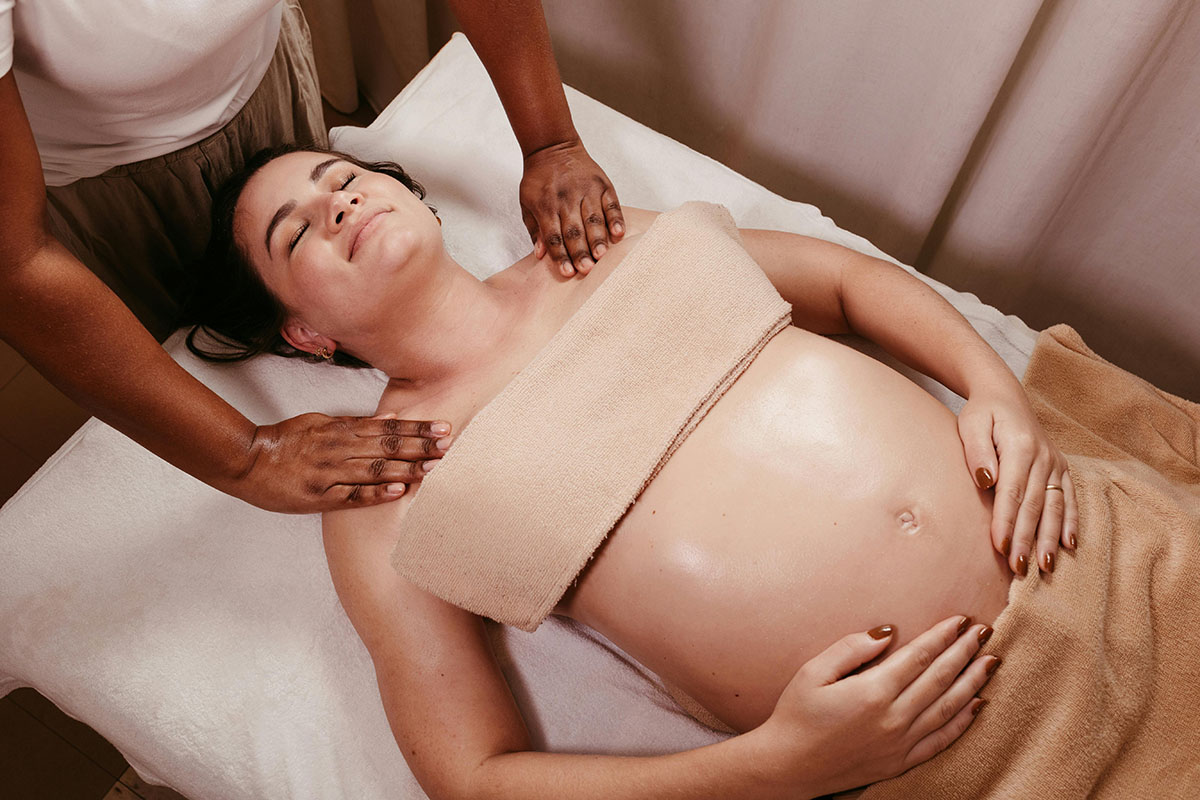
Prenatal Massage benefits include reduced back pain, less swelling, better sleep, and emotional calm during pregnancy. This specialized massage focuses on the needs of the body before birth. As a result, it helps ease common discomforts while offering much-needed relaxation. Even better, it supports circulation, posture, and stress relief. Most women feel nurtured, grounded, and more at ease after just one session.
Understanding Prenatal Massage Benefits
Prenatal Massage for Back Pain and Joint Relief
First and foremost, prenatal massage eases back, hip, and joint pain. As your body adjusts to pregnancy, extra pressure builds. Gentle massage reduces strain on muscles and joints, bringing much-needed relief.
Prenatal Massage for Swelling and Circulation
Additionally, it helps reduce swelling in the legs and feet. Improved blood and lymph flow ease fluid buildup, making it easier to move and feel lighter throughout the day.
Prenatal Massage for Sleep and Relaxation
Furthermore, this massage calms the nervous system and lowers stress. It supports better sleep, reduces anxiety, and creates space for emotional calm. Many women feel deeply relaxed during and after their session.
Prenatal Massage for Hormonal Balance
In addition, gentle touch encourages natural hormone regulation. This may ease mood swings and emotional stress. Many clients say they feel more grounded and emotionally steady afterward.
Prenatal Massage for Postural Support
Lastly, it helps maintain proper posture as your belly grows. The therapist targets tension in the shoulders, lower back, and pelvis—helping your body stay balanced and aligned through every trimester.
What to Expect in a Prenatal Massage Session
Before Your Prenatal Massage Appointment
- Check with your provider: Always get medical approval before booking, especially if you’re early in pregnancy or have high-risk factors.
- Share your symptoms: Let your therapist know about pain, stress, or anything that needs attention. This ensures safe, personalized care.
Techniques Used During the Session
Prenatal massage uses light to medium pressure. Your therapist may use special cushions or side-lying positions to keep you safe and comfortable. Touch is gentle and avoids deep pressure on certain areas. The goal is relaxation, not intensity. Communication is key, so speak up if you need anything adjusted.
Aftercare and Long-Term Prenatal Massage Benefits
Post-Session Tips
After your session, drink water to support your body’s circulation. Take time to rest and enjoy the relaxed feeling. Some women may feel sore or extra tired—but that often fades within a day. Light movement, like walking, can also help the benefits last longer.
Ongoing Support Throughout Pregnancy
Consistency can make a big difference. Regular sessions—monthly or biweekly—help manage changing needs throughout each trimester. It’s a gentle, safe way to stay connected to your body as it grows and changes.
Is Prenatal Massage Right for You?
Ideal for Pregnancy Discomforts
If you’re experiencing back pain, poor sleep, anxiety, or swelling, prenatal massage can help. It’s especially beneficial for those in their second and third trimesters.
Choosing a Certified Prenatal Therapist
Work with a licensed massage therapist who has training in prenatal care. They’ll understand what positions and techniques are safe for each stage of pregnancy. Learn more from the NCCIH guide to massage therapy.