
Soft Tissue Release Benefits: Fast Relief Through Targeted Stretching
Soft tissue release benefits go beyond pain relief. In fact, this method helps with tight muscles, stiffness, and poor movement. By using pressure with active stretching, therapists quickly free stuck tissue. As a result, you feel looser, lighter, and more mobile. For example, it can ease pain in your neck, shoulders, or back. Additionally, it supports injury recovery and helps prevent new strains. Because it works with your body’s natural range, it’s safe and effective for most people. In this guide, you’ll learn how it works, what to expect, and why it makes a real difference.
Why Soft Tissue Release Matters
Soft Tissue Release Benefits: Targeted Relief for Tight Areas
This method helps ease deep muscle tension. Although it’s firm, it doesn’t hurt. For example, it’s useful for sore backs, tense shoulders, or tight hips. Because it focuses on the problem area, results are often fast and noticeable.
Soft Tissue Release Benefits: Better Range of Motion
Stiff muscles can limit how well you move. However, this technique gently stretches muscles while applying pressure. As a result, joints move more freely. In fact, you may feel improvement after just one session.
Soft Tissue Release Benefits: Reduced Injury Risk
Tight tissue pulls on joints and makes injury more likely. By releasing tension, your body stays balanced. While this method isn’t a workout, it prepares your body for safe movement. That means fewer strains and aches.
Soft Tissue Release Benefits: Quicker Recovery After Exercise
Hard workouts can leave muscles sore and tight. Instead of waiting days to feel normal again, soft tissue release speeds things up. Even so, it works best when done regularly. Over time, it supports your long-term fitness goals.
Soft Tissue Release Benefits: Relaxation with Purpose
Unlike light massage, this technique works deep—yet gently. Most people feel both relaxed and energized. Because it clears tension from common stress zones, it also supports mental clarity and calm.
What to Expect During a Soft Tissue Release Session
Before the Session
- Discuss your needs: Share where you feel stiff, sore, or stuck. This guides the therapist’s focus.
- Wear stretchy clothes: Active wear is helpful, since you’ll move slightly during stretches.
During the Session
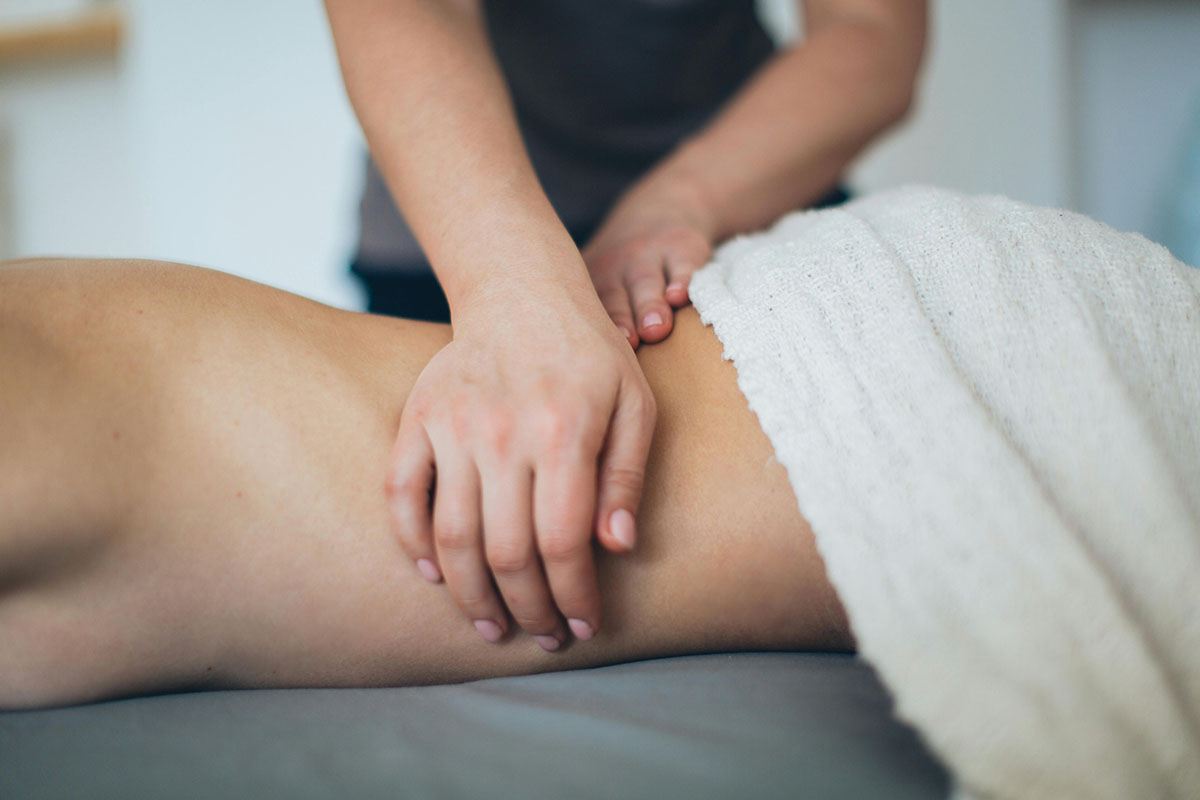
The therapist will place pressure on a tight muscle, then guide you in a small stretch. For example, they might hold your shoulder while you turn your head. While it’s simple, it’s very effective. Sessions usually last 30 to 60 minutes and focus on key problem areas.
Most importantly, you remain active—working with the therapist to release tension. Although the pressure is firm, it should never feel sharp or painful.
Soft Tissue Release Benefits, Aftercare and Long-Term Support
After the Massage
You may feel lighter or more flexible right away. However, mild soreness is normal. Rest, hydrate, and avoid heavy lifting for a few hours. That way, your muscles can adjust and heal fully.
Keeping the Benefits Going
Soft tissue release works best with regular use. For example, weekly or bi-weekly sessions can support healing and flexibility. Over time, your body stays looser, and pain becomes less common. In short, it’s a simple way to stay mobile and strong.
Is Soft Tissue Release Right for You?
Soft Tissue Release: Best for Stiffness, Injury, or Active Bodies
If you sit all day, work out often, or have past injuries, this technique may help. It’s ideal for anyone who wants to move better, feel looser, or recover faster.
Choosing a Skilled Therapist
Look for someone trained in soft tissue release or sports therapy. Although the moves are simple, proper skill makes a big difference. For more tips, visit the NCBTMB certification site to find a qualified provider.