
Rolfing Benefits: Align Your Body for a Lighter, Freer Life
Rolfing benefits go far beyond posture. This deep bodywork focuses on aligning your structure, which leads to less pain, easier movement, and a more open body. It works on fascia—the soft tissue around your muscles. As a result, your body feels more balanced. Breathing becomes easier, and stress melts away. In fact, people often feel taller and lighter after a session. Because it targets root causes, it’s great for recovery, performance, or long-term wellness. In this guide, you’ll learn what Rolfing is, how it helps, and why so many choose it for lasting change.
Understanding Rolfing Benefits
Rolfing Benefits: Better Posture and Alignment
Rolfing focuses on the body's structure. By releasing tension in the fascia, your spine aligns naturally. As a result, posture improves without forcing it. For example, slouching fades without effort. You stand straighter and feel lighter, even when sitting.
Rolfing Benefits: Lasting Relief from Pain
Unlike regular massage, Rolfing works on patterns in the whole body. This means it can ease chronic pain caused by imbalance. In fact, it’s often used for back, hip, and shoulder pain. Over time, discomfort fades because the cause—not just the symptom—is addressed.
Rolfing Benefits: More Ease in Movement
Rolfing frees tight areas that block motion. While it’s not always gentle, the change feels natural. For example, walking becomes smoother and turning your neck gets easier. Because joints are no longer pulled by tight fascia, your body moves with less strain.
Rolfing Benefits: Calmer Nervous System
As tension softens, your nervous system also calms down. This happens even if you didn’t expect it. For instance, many feel more peaceful or grounded afterward. While Rolfing is structural, it also supports emotional ease. In short, mind and body both benefit.
Rolfing Benefits: Support for Recovery and Wellness
Whether you’re healing from injury or just want to move better, Rolfing can help. It blends well with yoga, chiropractic care, or physical therapy. Although the pressure may feel deep, it’s always matched to your comfort level. Even so, people often say results last longer than other methods.
What to Expect During a Rolfing Session
Before Your Appointment
- Talk openly: Share your goals and concerns. This helps the Rolfer tailor the session to you.
- Wear comfy clothes: Stretchy or minimal clothing helps your Rolfer see alignment clearly.
Rolfing Techniques Used
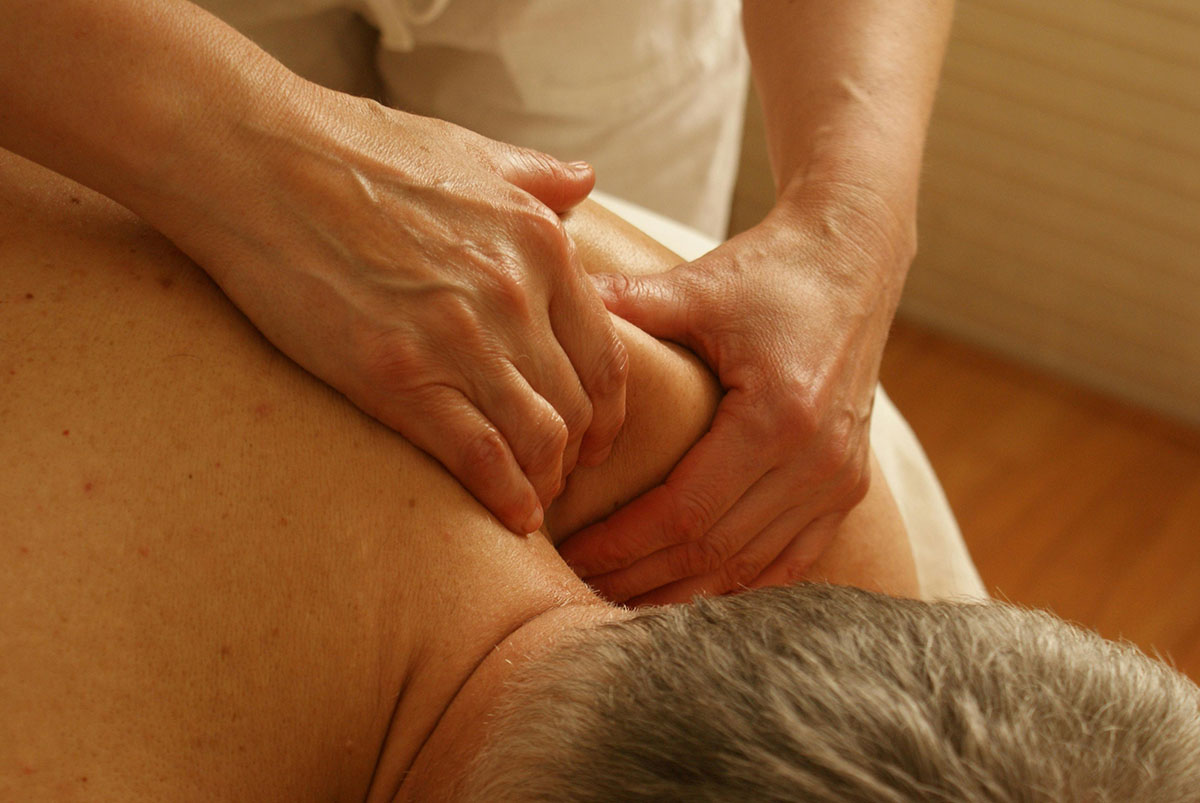
The Rolfer uses hands, knuckles, or elbows to stretch the fascia. Movements are slow and mindful. You may be asked to breathe or move during the session. While it’s not always relaxing, it feels purposeful. Each session builds on the last. For example, the first three focus on the outer body. Later sessions go deeper inside.
Aftercare and Long-Term Results
Rolfing Benefits: Aftercare Tips
You might feel different after your session—taller, lighter, or more open. It’s wise to rest, drink water, and avoid heavy activity for a day. Gentle walks or stretching help your body adjust. Although soreness is rare, it may happen if you’re new to deep bodywork.
Rolfing Benefits: Building Lasting Change
A full Rolfing series often includes ten sessions. However, even one or two can make a difference. Regular visits help retrain posture and reduce pain over time. Because the fascia holds memory, your body continues to shift days after each session.
Is Rolfing Right for You?
Rolfing Benefits: Ideal for Postural Issues and Pain
If you have chronic tension, misalignment, or movement limits, Rolfing might be for you. It's especially helpful for athletes, dancers, desk workers, or anyone who wants more freedom in their body.
Rolfing Benefits: Finding a Qualified Rolfer
Choose someone certified by the Rolf Institute or a similar body. That way, you know they’ve trained to work safely and effectively. A good Rolfer will listen to your needs and adjust pressure as needed. For more details, visit the official Rolf Institute site.